Premium customer experience is often discussed as if it were a matter of visuals: a refined logo, a warm palette, a beautiful room, a polished social feed. Those elements matter. But the strongest service brands are remembered because the whole experience behaves like a system. Strategy, space, tone, gestures, timing, rituals, staff confidence and post-experience memory all point in the same direction.
For wellness, hospitality and premium service teams, this is where design strategy becomes business transformation. A brand system is not only a set of assets. It is a way to help a company make consistent decisions across marketing, service delivery, hospitality, retail, digital content and the physical experience of being with the brand. Calm is not an aesthetic filter. Calm is what customers feel when the service has been designed well enough that they do not have to decode it.
This article explores how service design, sensory branding and wellness spaces shape premium customer experiences. It is written for founders, brand directors, hospitality entrepreneurs, wellness operators, consultants, marketers and design teams who know that memorable brands are built through experience, not through communication alone.
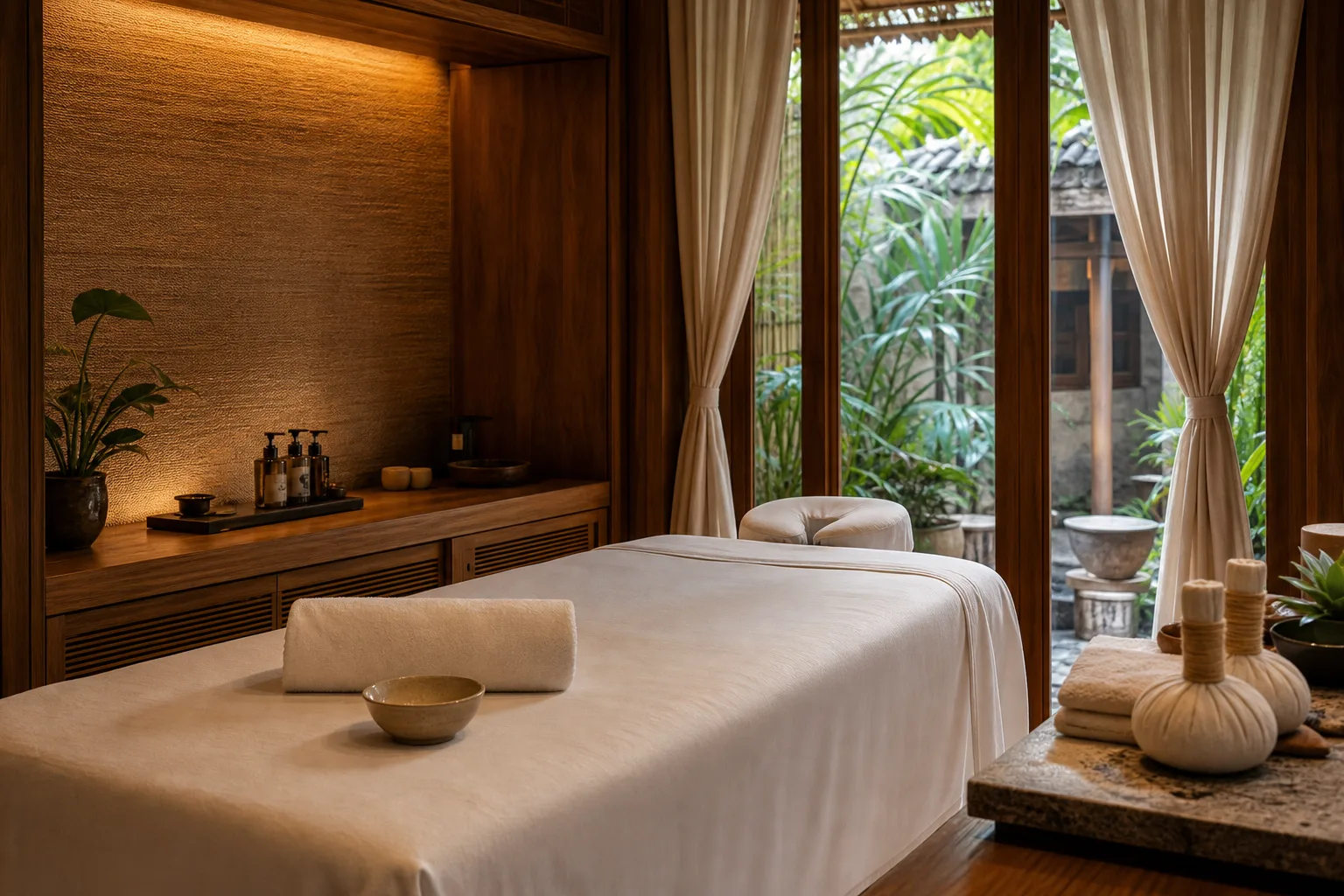
Table of contents
- Calm as a business asset
- Service design: the hidden structure behind the visible brand
- Sensory branding: making the brand felt
- What wellness and hospitality teach experience-led brands
- Brand systems as operating systems
- Co-creation and journey mapping
- Business transformation through design
- Recommended links and sources
- FAQ
Calm as a business asset
Calm is not the absence of activity. In a premium service environment, calm is the customer's perception that the brand knows what it is doing. The booking flow is clear. The arrival point is easy to understand. Staff know what to say. The room has been prepared before the customer enters. The transition between waiting, consultation, service and departure feels intentional. Nothing asks the guest to carry unnecessary cognitive weight.
This matters because premium customer experience depends on confidence. When a customer chooses a spa, hotel, restaurant, boutique, clinic, wellness studio or design-led retail space, they are buying more than the functional outcome. They are buying relief from uncertainty. A customer does not want to manage the brand's internal chaos. They want to feel that the brand has already choreographed the important details.
From a business perspective, calm improves conversion and retention because it lowers friction. It helps people say yes more easily, understand value more quickly and remember the brand more clearly. A calm experience also protects price positioning. Premium does not mean excessive. It means the customer can sense care, precision and continuity at every stage of the journey.
The strategic question
For founders and brand leaders, the useful question is not, "How can we make this look more premium?" The stronger question is, "Where does the customer currently have to work too hard?" That question moves the conversation from taste to experience architecture. It reveals the points where brand promise, operational reality and customer emotion are not yet aligned.
Service design: the hidden structure behind the visible brand
Service design gives premium experiences their structure. It studies the people, processes, tools, spaces and decisions that shape how a service is delivered. A customer may only notice the welcome, the treatment room, the checkout and the follow-up message. Behind those moments sits a larger system: scheduling, staff training, stock preparation, cleaning, scripts, handovers, escalation rules, content, payment, data and management rhythm.
The customer does not need to see the system, but they can feel whether it exists. When service design is weak, the brand may still look beautiful, but the experience feels inconsistent. One staff member explains the offer differently from another. The booking page promises calm, but the arrival feels rushed. The room looks refined, but after-care is vague. The brand story says "personalized", but the customer repeats the same information three times.
Customer journey mapping helps teams expose those breaks. Instead of treating the customer experience as a line of separate touchpoints, a journey map shows the emotional sequence: anticipation, uncertainty, arrival, trust-building, treatment, transition, payment, memory and return. Each stage asks for different design decisions. A first-time customer needs orientation. A returning customer needs recognition. A high-value client needs privacy. A disappointed guest needs service recovery that protects dignity.
What a service blueprint adds
A service blueprint extends the journey map by connecting front-stage and back-stage activity. It shows what the customer sees, what staff do, what systems support them and where failure can occur. In hospitality and wellness, this is particularly useful because the emotional quality of the experience depends on operational choreography. A warm towel appears effortless only when the process behind it is reliable.
Sensory branding: making the brand felt
Sensory branding turns positioning into perception. A brand can say it is refined, restorative, exacting, playful or quietly luxurious, but customers believe those claims when the senses agree. Light, sound, texture, scent, temperature, spacing, material weight, voice, silence and pace all contribute to the brand system. These cues should not be random atmospheric upgrades. They should express the same strategic idea.
In wellness, scent might mark the transition from street noise to treatment calm. In hospitality, sound design might protect privacy in reception. In retail, material contrast might help a customer feel the difference between everyday and premium product lines. In a service design workshop, even the texture of printed journey maps and the rhythm of facilitation can change how participants engage with strategy.
The risk is overdesign. Sensory branding becomes weak when every cue tries to announce itself. Premium brands often need fewer cues, delivered with more discipline. A single recognizable scent, a consistent language for greeting, a clear pause before a consultation, a specific packaging texture or a calm follow-up note can create stronger memory than a crowded set of decorative signals.
Sensory cues should reduce uncertainty
The best sensory branding gives customers confidence in the next step. Lighting helps them understand where to go. Sound helps them know whether to speak softly. Materials help them sense value. Staff rhythm helps them relax. The brand becomes memorable because the customer feels guided, not because the space begs for attention.
What wellness and hospitality teach experience-led brands
Wellness and hospitality are useful reference points because they make experience physical. A guest enters with a body, not only a purchase intent. They may be tired, self-conscious, excited, stressed, jet-lagged, sensitive, celebrating or recovering. The brand must meet that state with design decisions that are practical and emotional at the same time.
In Bangkok, House of Pridi shows how a heritage-inspired wellness sanctuary can turn massage, head spa, facial care and beauty rituals into a coherent customer experience, where space, timing, gestures and atmosphere become part of the brand system.
The lesson is not that every brand should copy a spa. The lesson is that physical environments reveal whether a brand is truly customer-centered. A wellness space cannot hide behind campaign language. The guest will immediately feel whether the room is ready, whether the therapist is trained, whether the transitions are graceful and whether the brand's promise survives contact with reality.
Premium retail can learn from this. So can hospitality, clinics, coworking spaces, members clubs, educational programs and service-led B2B brands. Every business has moments where customers need orientation, reassurance, status recognition, privacy, clarity or a sense of completion. Wellness simply makes those needs easier to see.
Brand systems as operating systems
A brand system is often treated as a visual toolkit: logo rules, typography, colors, grids, photography and templates. That is only the visible layer. For service businesses, brand systems should also define experience principles, tone of voice, naming logic, touchpoint behavior, staff language, ritual design, environmental cues, editorial rhythm and the standards that make the customer journey consistent.
This is where brand systems connect directly to business transformation. If a company wants to move upmarket, expand locations, launch a new service line or unify a fragmented customer experience, it needs more than a refreshed identity. It needs a system that helps people make decisions. What should a premium welcome feel like? Which words should staff avoid? When should a customer be given choice, and when should the brand reduce choice? What does personalization mean operationally? How should the brand recover when the experience falls short?
Experience-led branding works when the answers are practical enough for teams to use. A beautiful deck is not enough. The brand system must become a working reference for marketing, operations, interior design, training, content, digital product and leadership decisions. When that happens, consistency stops feeling rigid. It becomes the reason the brand can scale without losing its character.
From identity to behavior
The most mature brands translate identity into behavior. If the brand value is "restorative", the booking flow should not feel noisy. If the brand value is "expert", the consultation should be precise. If the brand value is "creative", the customer should feel invited into a sharper way of seeing the problem. The system makes the value observable.
Co-creation and journey mapping
Co-creation workshops help teams design experiences that are both ambitious and deliverable. They bring leadership, marketing, operations, frontline staff and sometimes customers into the same room. That matters because premium experience often breaks down between departments. Marketing promises one feeling. Operations carry another reality. Staff invent workarounds. Customers feel the inconsistency.
A well-run workshop does not start with aesthetics. It starts with evidence: customer interviews, reviews, staff pain points, service data, booking behavior, spatial observation and competitive context. The team maps the current journey, identifies emotional highs and lows, then chooses the few moments where design can create the most value. This prevents experience strategy from becoming abstract.
Design thinking is useful here because it gives teams permission to test instead of debate endlessly. Prototype the new arrival script. Pilot a revised consultation form. Test a post-treatment note. Change the sequence of a premium retail appointment. Observe what happens. The goal is not to make every touchpoint precious. The goal is to make the important touchpoints intentional.
Customer journey rhythm
Premium journeys need rhythm. They need moments of information, pause, service, silence, confirmation and memory. If every moment is intense, the experience becomes tiring. If every moment is quiet, it may become unclear. Rhythm gives the customer a sense of movement and completion.
Business transformation through design
Business transformation through design happens when design changes how a company creates value, not only how it presents itself. A better service journey can reduce staff confusion, shorten decision time, increase booking confidence, support premium pricing, improve reviews and make content more credible. A stronger brand system can help new locations open faster, help campaigns stay coherent and help teams make better tradeoffs under pressure.
This is why customer experience design belongs in strategic conversations. It is not a late-stage polish exercise. It influences proposition, operations, hiring, training, space, digital product, editorial strategy and measurement. A brand that wants to become more premium should not begin by adding luxury codes. It should identify what customers currently distrust, where the journey leaks confidence and which rituals could make the promise tangible.
For founders, the work often starts with one hard choice: define the experience the brand is willing to deliver consistently. Not the fantasy version. The real one. From there, design can clarify the narrative, shape the service model, align the space, create the rituals and build the content system that keeps the brand present after the customer leaves.
Measurement without flattening the experience
Premium experience should be measured, but not reduced to one metric. Useful signals include conversion quality, repeat visits, service mix, review themes, referral language, staff confidence, customer effort, complaints, post-experience engagement and the gap between promised and delivered value. The best measurement systems help teams learn without making hospitality feel mechanical.
Recommended links and sources
Related Beauty Spa Hub guides
- Digital trust for wellness brands, for online credibility before the physical experience begins.
- Spa operations and front-desk trust, for the systems behind a calm service journey.
- Beauty Spa Hub service menu, for the service context behind wellness experience design.
External authority references
- Nielsen Norman Group: Service Design 101: for a clear explanation of service design and service blueprints.
- Harvard Business Review: The Truth About Customer Experience: for the importance of journeys rather than isolated touchpoints.
- Design Council: The Double Diamond: for structured divergent and convergent design work.
- IDEO: Design Thinking: for human-centered innovation and co-creation language.
- McKinsey: Experience-led growth: for the business value of customer experience transformation.
Mini FAQ: service design, sensory branding and premium experience
What is service design?
Service design is the discipline of shaping how a service works across people, process, environment, tools and time. It looks beyond isolated touchpoints and studies the whole customer journey: how someone discovers the brand, books, arrives, waits, receives the service, pays, leaves and remembers the experience. For a wellness, hospitality or retail brand, service design might include reception scripts, room preparation, treatment sequencing, staff handovers, scent, lighting, payment flow and follow-up content. The value is practical: it turns an experience from a collection of nice moments into an operating system that can be repeated. Good service design also protects employees because it clarifies responsibilities, reduces improvisation and helps teams handle exceptions calmly. For founders and brand leaders, the question is not only what the brand looks like. It is whether the business can deliver the promise consistently when real customers, real staff and real constraints meet.
What is sensory branding?
Sensory branding is the strategic use of sight, sound, scent, touch, taste, rhythm and atmosphere to make a brand easier to feel and remember. It is not decoration. A scent in a spa, a specific towel texture, the weight of a menu, the quietness of a corridor, the tone of a confirmation message and the sound level in reception can all become brand signals. The best sensory branding is restrained and coherent. It supports the customer journey instead of overwhelming it. In premium wellness and hospitality, sensory cues should reduce uncertainty, slow the pace and confirm that the guest is in capable hands. For business leaders, sensory branding matters because memory is embodied. People rarely remember every sentence a brand says, but they remember how the place made them breathe, move, trust and return. The discipline is to choose cues that match the brand narrative and train the team to deliver them without theatrical excess.
How does customer experience design help a brand?
Customer experience design helps a brand translate strategy into behavior. A positioning statement may define what the company wants to stand for, but customers judge the brand through lived evidence: how easy it is to choose, how clearly staff explain options, how the room feels, how mistakes are handled and whether the after-care matches the promise. Customer experience design makes those moments visible and intentional. It maps the journey, identifies friction, clarifies emotional states and creates standards for the moments that matter most. The result is usually better conversion, stronger repeat business, more useful reviews and fewer confused interactions. It also gives teams a shared language. Marketing, operations, design, sales and service can stop debating taste and start discussing what the customer needs to feel at each stage. A premium customer experience is not only more beautiful. It is more legible, more dependable and better aligned with the business model.
Why is hospitality branding important?
Hospitality branding is important because service businesses sell trust before they sell the service itself. A guest cannot fully evaluate a massage, facial, hotel stay, private dinner or lifestyle retail experience before entering the space. They rely on cues: photography, language, booking flow, reviews, arrival behavior, staff confidence, room rhythm and the consistency between promise and delivery. Hospitality branding organizes those cues so they do not contradict each other. It defines how warmth, privacy, precision, generosity and restraint should appear in the real journey. The strongest hospitality brands understand that welcome is operational. It depends on staff training, timing, choreography, recovery plans and small gestures that make guests feel oriented. For wellness and premium lifestyle brands, hospitality branding also protects margin. When the experience feels coherent, customers understand why the service is priced above commodity alternatives and are more likely to return for the feeling, not only the functional outcome.
How can wellness spaces improve brand perception?
Wellness spaces improve brand perception when they make care feel visible before the treatment begins. A calm room, clean objects, considered lighting, breathable pacing, thoughtful acoustics and clear reception behavior tell guests that the brand understands their vulnerability. People often enter wellness spaces tired, overstimulated, self-conscious or uncertain about what will happen next. The space can either amplify that tension or reduce it. Good wellness experience design uses spatial storytelling to create orientation: where to pause, where to place belongings, when to speak, when to rest and how the service will unfold. It also makes the brand's values concrete. If a brand claims to be restorative, the environment should not feel cluttered, noisy or rushed. If it claims expertise, the space should make hygiene, consultation and after-care easy to trust. Perception improves because the customer can feel the brand promise through behavior, atmosphere and sequence.
What makes a premium customer experience memorable?
A premium customer experience becomes memorable when the customer feels that the brand has anticipated the right details without making the experience heavy. Memorability does not come from adding more features. It comes from rhythm, clarity and emotional resolution. The guest should know what is happening, feel guided through transitions, sense quality in the materials and leave with a memory that is easy to name. In a spa, that may be the way the room settles before treatment, the therapist's timing, the scent of a warm towel, the quiet payment flow and a thoughtful after-care note. In retail, it may be the confidence of the consultation, the logic of the display and the ease of return or follow-up. The memory is strongest when every touchpoint supports one idea. Premium brands should ask: what feeling do we want people to carry away, and which moments make that feeling believable?
How do brand systems support service businesses?
Brand systems support service businesses by turning identity into repeatable decisions. A logo and color palette can create recognition, but a service business also needs rules for tone, photography, signage, naming, offers, consultation, room setup, staff language, content, follow-up and recovery when something goes wrong. Without a system, every new location, campaign, therapist, stylist, consultant or manager interprets the brand differently. That creates inconsistency, and inconsistency weakens trust. A strong brand system gives teams enough structure to act with confidence while leaving room for human warmth. It explains what should stay consistent and what can adapt by context. For wellness, hospitality and premium retail brands, this is especially important because the experience is delivered by people in real time. Brand systems help the business scale without losing its feeling. They also make marketing more efficient because every asset, message and touchpoint draws from the same strategic source.
How can companies design better physical and emotional touchpoints?
Companies can design better physical and emotional touchpoints by studying the customer's state at each stage of the journey. The useful question is not only what the customer does, but what they may be feeling: uncertain, rushed, exposed, curious, relieved, proud or disappointed. Once the emotional state is clear, the brand can choose the right physical cues. A nervous first-time spa guest may need clearer signage, a calmer intake form and a therapist who explains timing. A premium retail client may need privacy, slower comparison and a sales associate who knows when not to interrupt. A hospitality guest may need arrival certainty more than another decorative object. Better touchpoints come from co-creation workshops, customer journey mapping, staff interviews and observation of real behavior. Then the brand should prototype small improvements, measure the effect and document the standard. Emotional design becomes practical when it changes what teams do tomorrow.
Conclusion: premium experience is a system, not a mood
The strongest customer experiences are not assembled from isolated beautiful moments. They are designed as systems. Strategy defines the intent. Brand narrative gives the experience meaning. Service design makes the journey work. Sensory branding makes the promise felt. Space gives behavior a frame. Rituals create memory. Editorial continuity keeps the brand present after the customer leaves.
For modern founders and brand teams, this is the opportunity. Premium customer experience is not reserved for luxury hospitality or wellness spaces. It can be designed into clinics, studios, retail environments, consulting businesses, digital services, events and community platforms. The work begins when a company stops asking how to look more premium and starts asking how to make the customer feel more certain, more considered and more willing to return.